
Hickleys Furs – Canada to Southampton
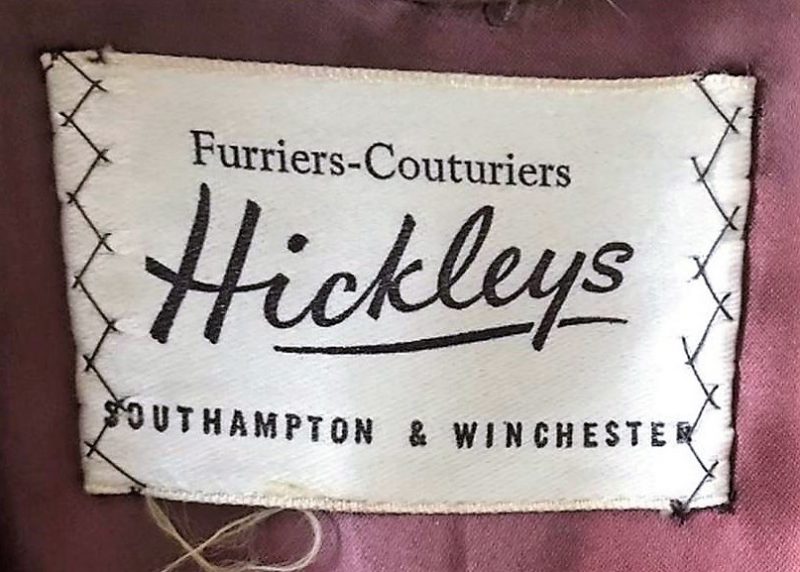
Hickleys Furs – Canada to Southampton – a legend and a legacy. A family story of adventure, bravery, craftmanship , determination and entrepreneurial success across the Atlantic though the 20th century. The Hickley family built a successful and recognized quality brand fur business in Southampton from the ground up. Today the gorgeous coats can still be found everywhere looking fantastic as the day they were made marking them out as a true item of quality from a bygone era of British craftmanship.
Gates Museum has been extremally fortunate to have been given many precious items from the Hickley Furs business (now long closed) from Richard Hickley (nephew to Stan) who worked at Hickleys as a furrier for many years prior to it’s closure. He has been able to provide not only his fur sewing machine, on which many Hickleys coats were made. But also some wonderful Hickleys fur coats that belonged to his family as well as his own specialised furriers hand tools and many other items and information. Together we will now be able to put together a small but important archive relating to Hickleys Furs (Southampton) that will be available for all to see when visiting the museum.
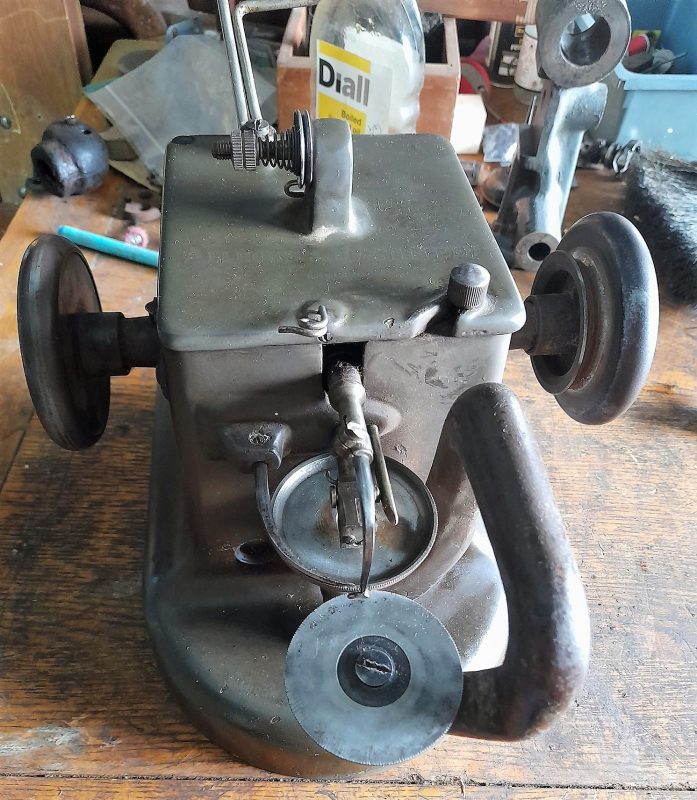
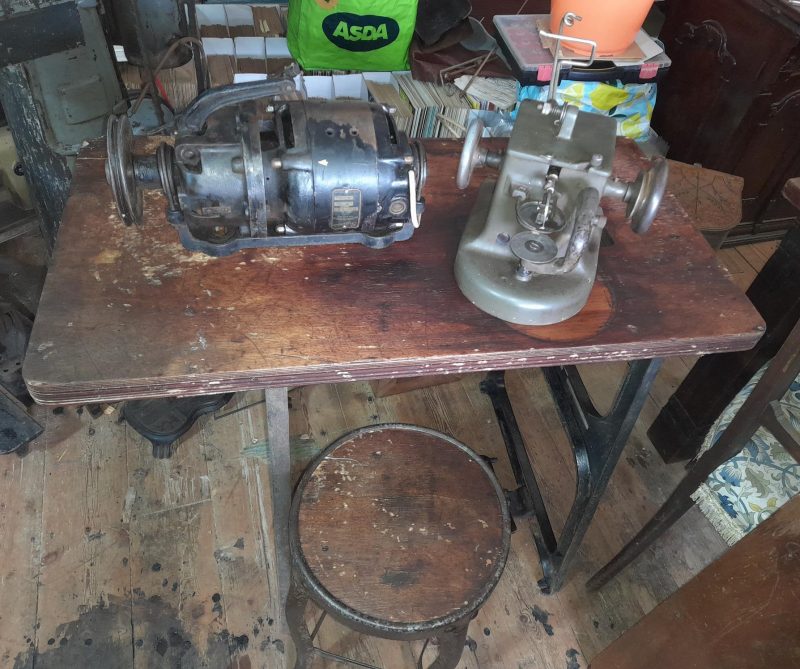
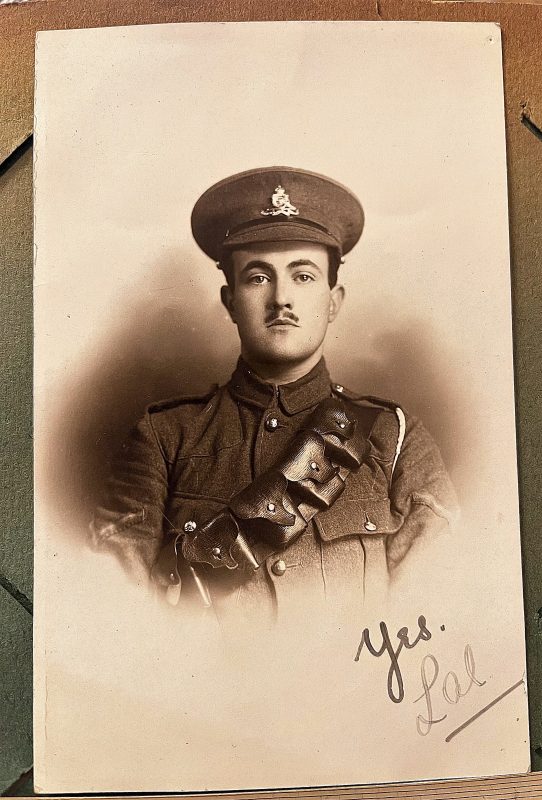
Below are some of the information items Richard has provided that relate to Stan Hickley who started the Hickleys Furs business back at the start of the 20th century.
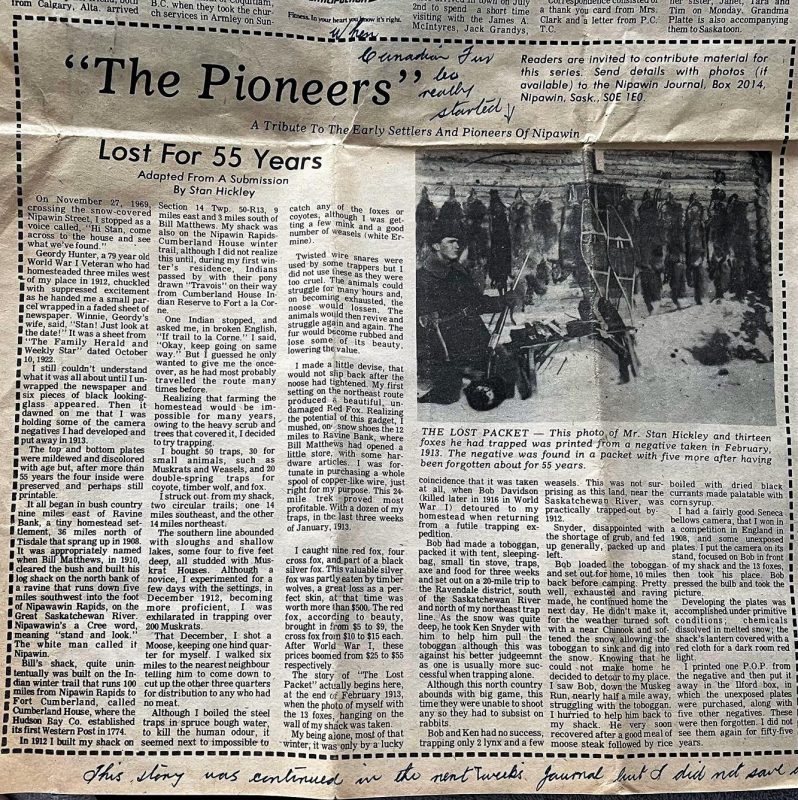
The Pioneers: Extract By Stan Hickley
On November 27, 1969, crossing the snow-covered Nipawin Street, I stoped as a voice called, “Hi Stan, come across to the house and see what we’ve found.” Geordy Hunter, a 79 year old World War I Veteran who had I homesteaded three miles west of my place in 1912, chuckled I with suppressed excitement as he handed me a small parcel wrapped in a faded sheet of newspaper. Winnie, Geordy’s wife, said, “Stan! Just look at the date!” It was a sheet from I “The Family Herald and Weekly Star” dated October 10, 1922. I still couldn’t understand what it was all about until I un-I wrapped the newspaper and six pieces of black looking-glass appeared. Then it dawned on me that I was holding some of the camera negatives I had developed and I put away in 1913. The top and bottom plates were mildewed and discolored with age but, after more than 55 years the four inside were I preserved and perhaps still I printable.
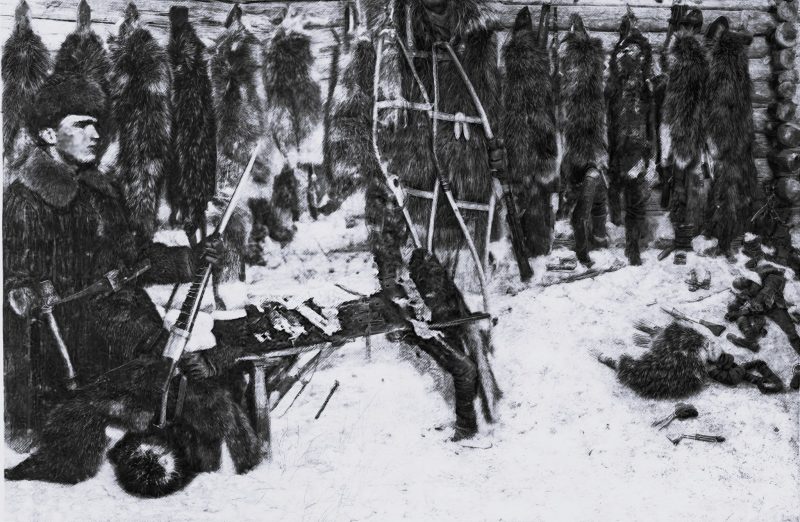
THE LOST PACKET – This photo, of Mr. Stan Hickley and thirteen foxes he had trapped was printed from a negative taken in February, 1913. The negative was found in a packet with five more after having been forgotten about for 55 years.
It all began in bush country nine miles east of Ravine Bank, a tiny homestead settlement, 36 miles north of Tisdale that sprang up in 1908. It was appropriately named when Bill Matthews, in 1910, I cleared the bush and built his log shack on the north bank of a ravine that runs down five miles southwest into the foot of Nipawawin Rapids, on the Great Saskatchewan River. I Nipawawin’s a Cree word, meaning “stand and look.” The white man called it Nipawin. Bill’s shack, quite unintentually was built on the winter trail that runs 100 miles from Nipawin Rapids to Fort Cumberland, called Cumberland House, where the Hudson Bay Co. established its first Western Post in 1774. In 1912 I built my shack on Section 14 Twp. 50-R13, 9 miles east and 3 miles south of Bill Matthews. My shack was also on the Nipawin Rapids-Cumberland House winter trail, although I did not realize this until, during my first winter’s residence, Indians passed by with their pony drawn “Travois” on their way from Cumberland House Indian Reserve to Fort a la Corne. One Indian stopped, and asked me, in broken English, “If trail to la Corne.” I said, “Okay, keep going on same way.” But I guessed he only wanted to give me the once-over, as he had most probably travelled the route many times before. Realizing that farming the homestead would be impossible for many years, owing to the heavy scrub and trees that covered it.
Read more
I decided to try trapping. I bought 50 traps, 30 for small animals, such as Muskrats and Weasels, and 20 double-spring traps for coyote, timber wolf, and fox. I struck out from my shack, two circular trails; one 14 miles southeast, and the other 14 miles northeast. The southern line abounded with sloughs and shallow lakes, some four to five feet deep, all studded with Muskrat Houses. Although a novice, I experimented for a few days with the settings, in December 1912, becoming more proficient, I was exhilarated in trapping over 200 Muskrats. That December, I shot a Moose, keeping one hind quarter for myself. I walked six miles to the nearest neighbour telling him to come down to cut up the other three quarters for distribution to any who had no meat. Although I boiled the steel traps in spruce bough water, to kill the human odour, it seemed next to impossible to catch any of the foxes or coyotes, although I was getting a few mink and a good number of weasels (white Ermine). Twisted wire snares were used by some trappers but I did not use,tnese as they were too cruel. flie animals could struggle for many hours and, on becoming exhausted, the noose would lossen. The animals would then revive and struggle again and again. The fur would become rubbed and lose some of its beauty, lowering the value. I made a little devise, that would not slip back after the noose had tightened. My first setting on the northeast route produced a beautiful, un-damaged Red Fox. Realizing the potential of this gadget, I mushed, on snow shoes the 12 miles to Ravine Bank, where Bill Matthews had opened a little store, with some hardware articles. I was fortunate in purchasing a whole spool of copper-like wire, just right for my purpose. This mile trek proved most profitable. With a dozen of my traps, in the last three weeks of January, 1913.
I caught nine red fox, four cross fox, and part of a black silver fox. This valuable silver fox was partly eaten by timber wolves, a great loss as a perfect skin, at that time was worth more than $500. The red fox, according to beauty, brought in from $5 to $9, the cross fox from $10 to $15 each. After World War I, these prices boomed from $25 to $55 respectively. The story of “The Lost Packet” actually begins here, at the end of February 1913, when the photo of myself with the 13 foxes, hanging on the wall of my shack was taken. My being alone, most of that winter. it was only by a lucky coincidence that it was taken at all, when Bob Davidson (killed later in 1916 in World War I) detoured to my homestead when returning from a futile trapping expedition. Bob had made a toboggan, packed it with tent, sleeping-bag, small tin stove, traps, axe and food for three weeks and set out on a 20-mile trip to the Ravendale district, south of the Saskatchewan River and north of my northeast trap line. As the snow was quite deep, he took Ken Snyder with him to help him pull the toboggan although this was against his better judgement as one is usually more successful when trapping alone. Although this north country abounds with big game, this time they were unable to shoot any so they had to subsist on rabbits. Bob and Ken had no success, trapping only 2 lynx and a few weasels.
This was not surprising as this land, near the Saskatchewan River, was practically trapped out by 1912. Snyder, disappointed with the shortage of grub, and fed up generally, packed up and left. Bob loaded the toboggan and set out for home, 10 miles back before camping. Pretty well, exhausted and raving made, he continued home the next day. He didn’t make it, for the weather turned soft with a near Chinook and softened the snow allowing the toboggan to sink and dig into the snow. Knowing that he could not make home he decided to detcur to my place. I saw Bob, down the Muskeg Run, nearly half a mile away, struggling with the toboggan. I hurried to help him back to my shack. He very soon recovered after a good meal of moose steak followed by rice boiled with dried black currants made palatable with corn syrup.
I had a fairly good Seneca bellows camera, that I won in a competition in England in 1908, and some unexposed plates. I put the camera on its stand, focused on Bob in front of my shack and the 13 foxes, then took his place. Bob pressed the bulb and took the picture. Developing the plates was accomplished, under primitive conditions; chemicals dissolved in melted snow; the shack’s lantern covered with a red cloth for a dark room red light. I printed one P.O.P. from the negative and then put it away in The Ilford box, in which the unexposed plates were purchased, along with five other negatives. These were then forgotten. I did not see them again for fifty-five years.
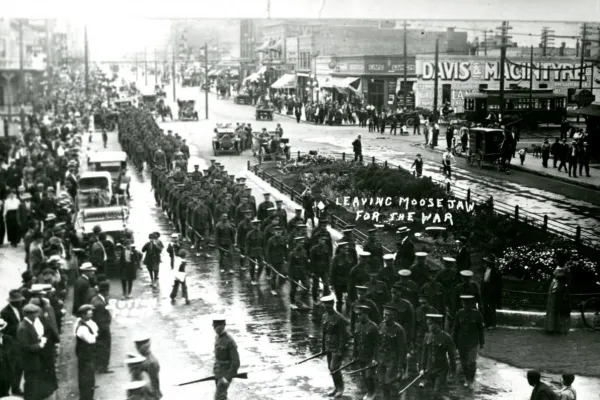
The Suicide Battalion & Canada’s Role In World War One
THE 46th Canadian Infantry Battalion (South Saskatchewan) was formed in Moose Jaw, SK, in February 1915. The battalion would end up playing a role in every major battle in which the Canadians took part from August 1916 until the Armistice.
With a 91.5% casualty rate (3,484 wounded and 1,433 killed, including Victoria Cross winner and Saskatchewan hero Hugh Cairns), the 46th became known as the Suicide Battalion.
World War 1 is commonly accepted as a turning point in history for both Canada and the world, yet we don’t often get the chance to hear about the experiences of the war from the men that were there in the trenches.
Suicide Battalion
Photos of Stan Hickley taken in WW1 when he was serving for 3 years as a member of the infamous *Suicide Battalion* the Canadian 46th where they lost nearly 90% of their soldiers in those 3 years.
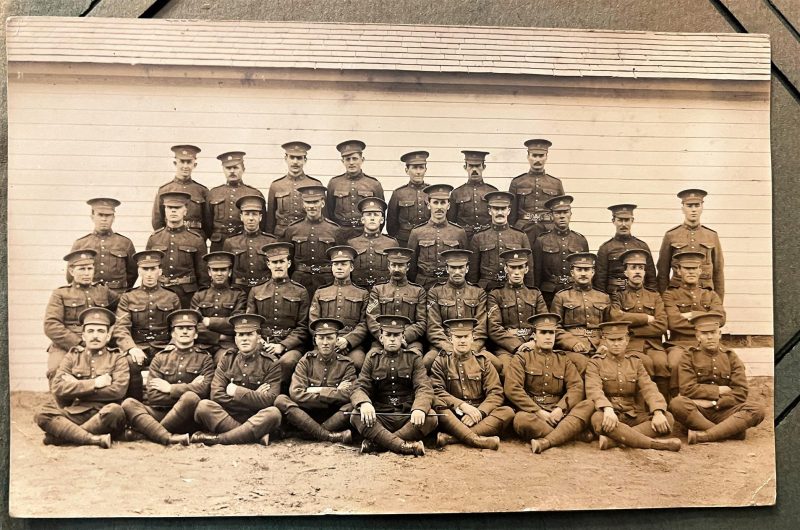
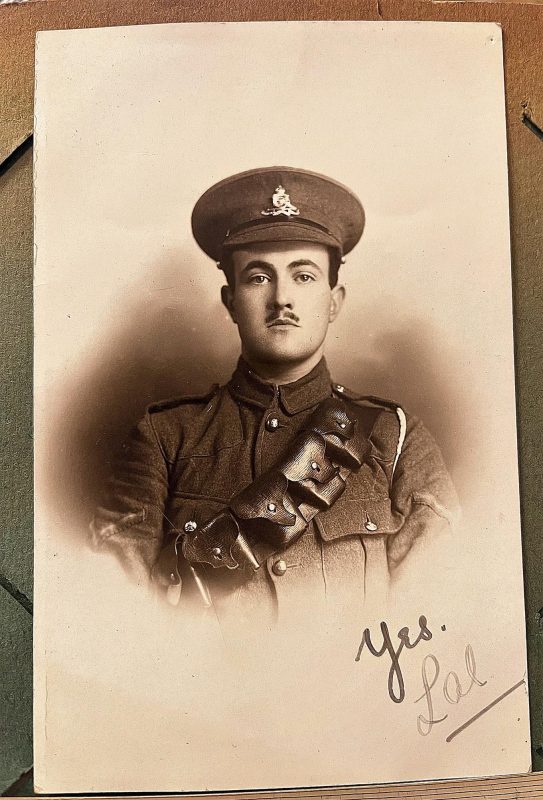
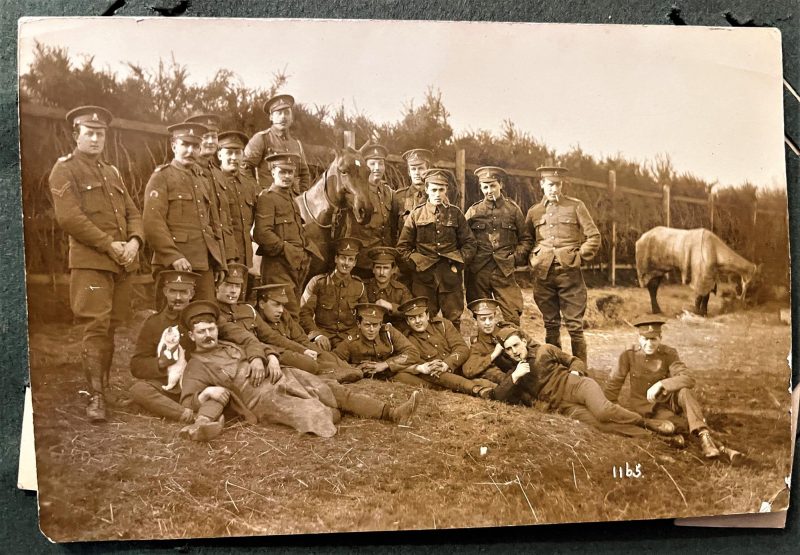
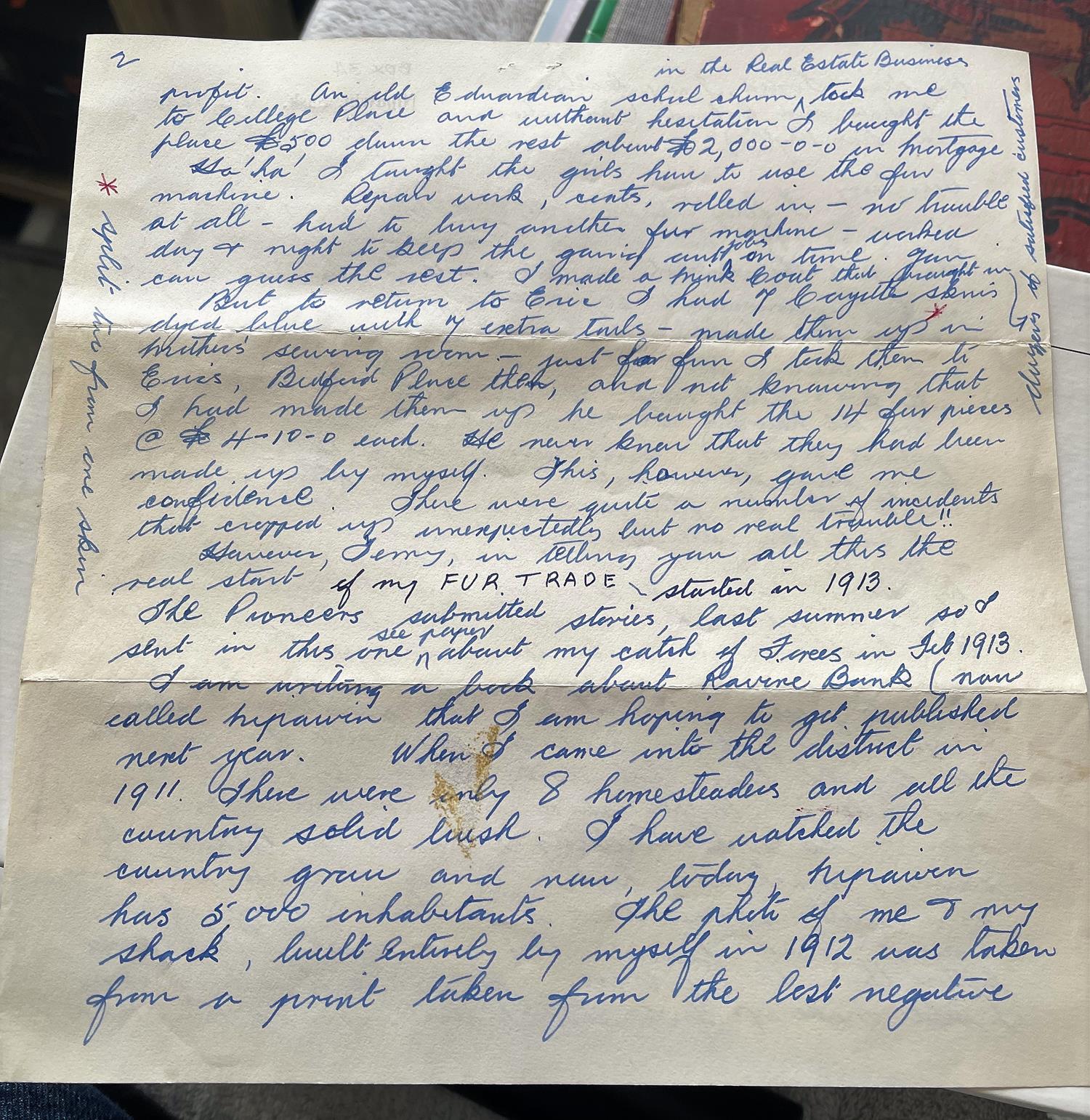
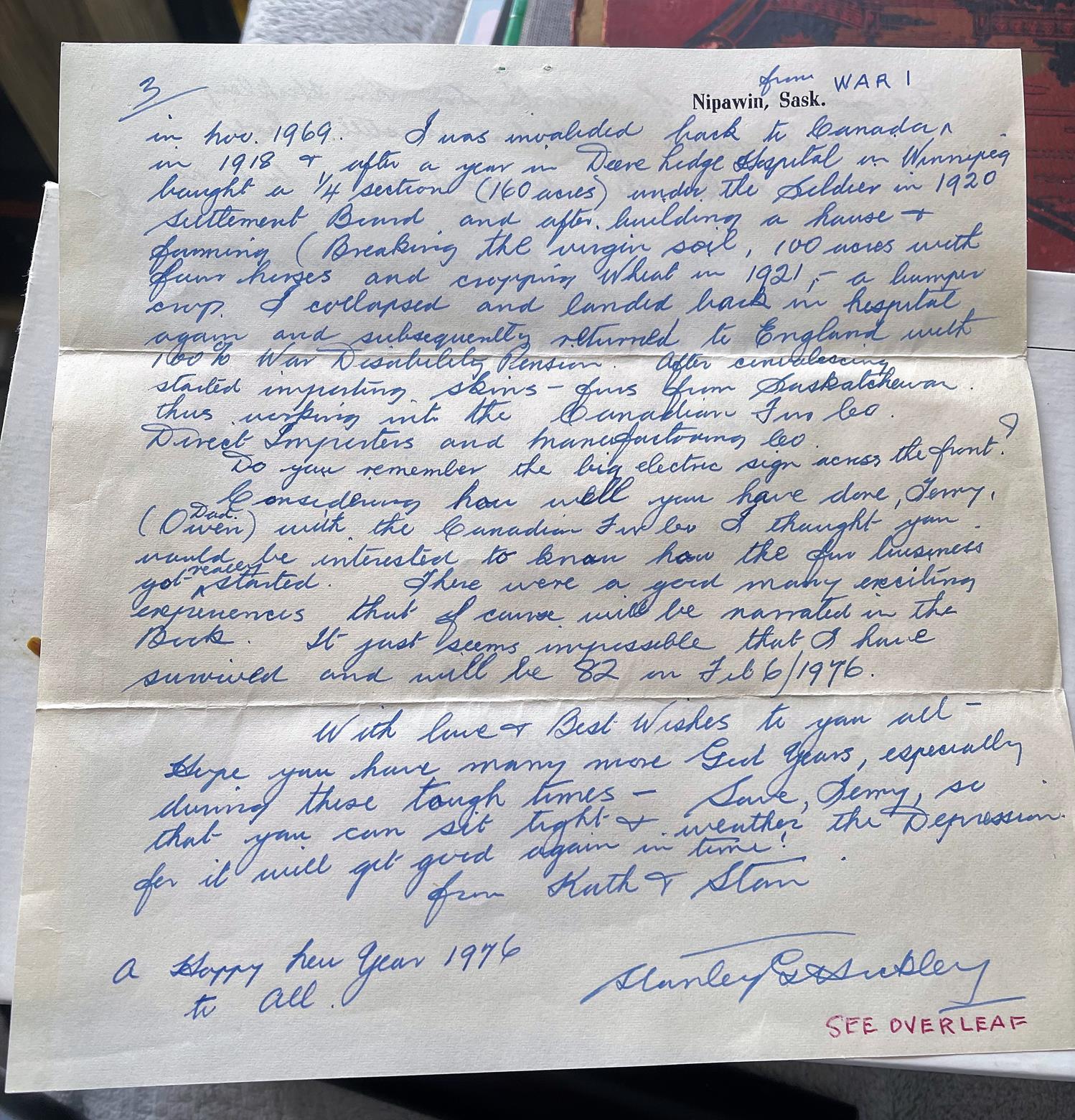
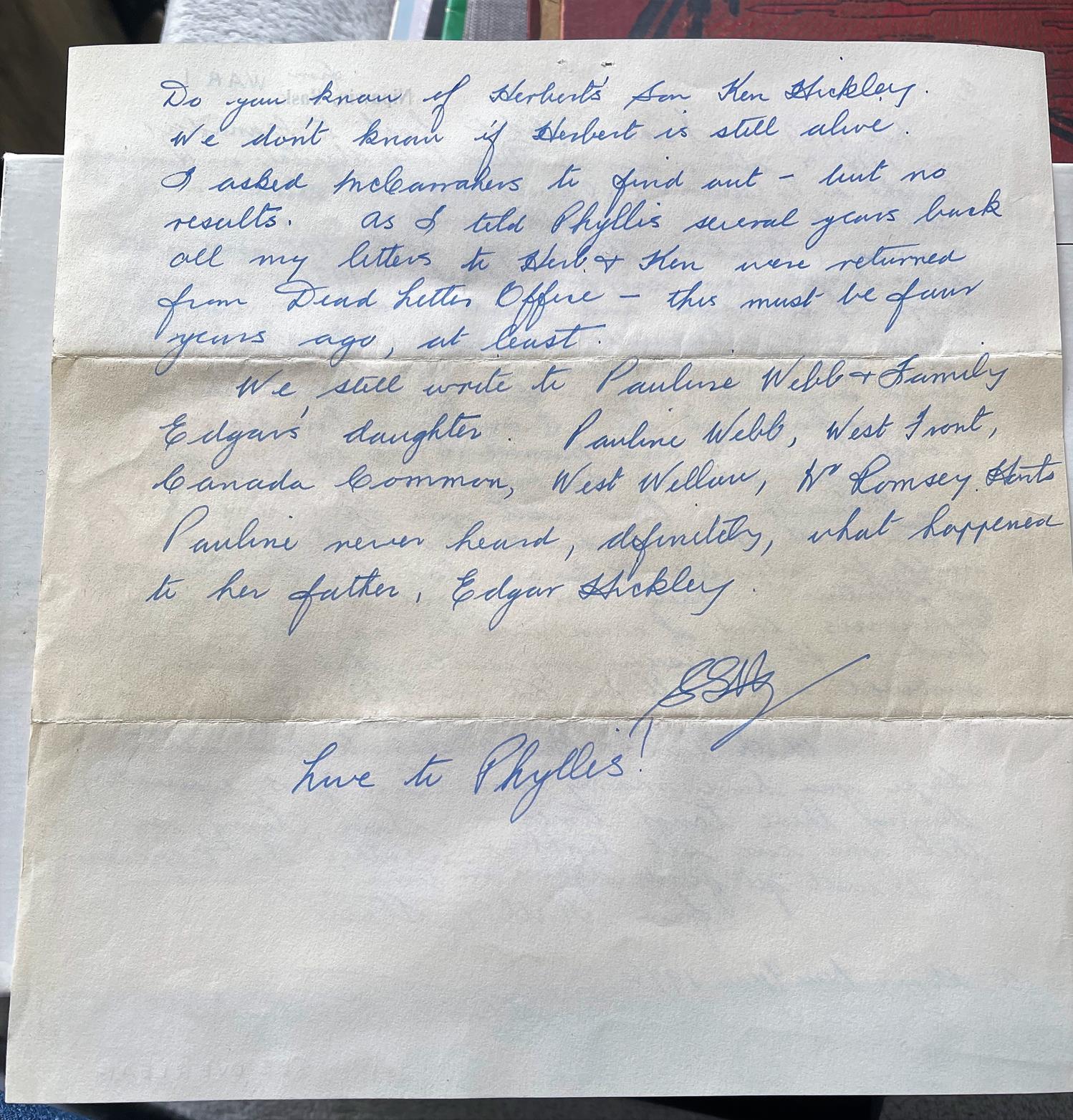
‘Stan’ – Pioneer, Trapper, Suicide Battalion, Furrier, Farmer & Family Man – A Letter to Family
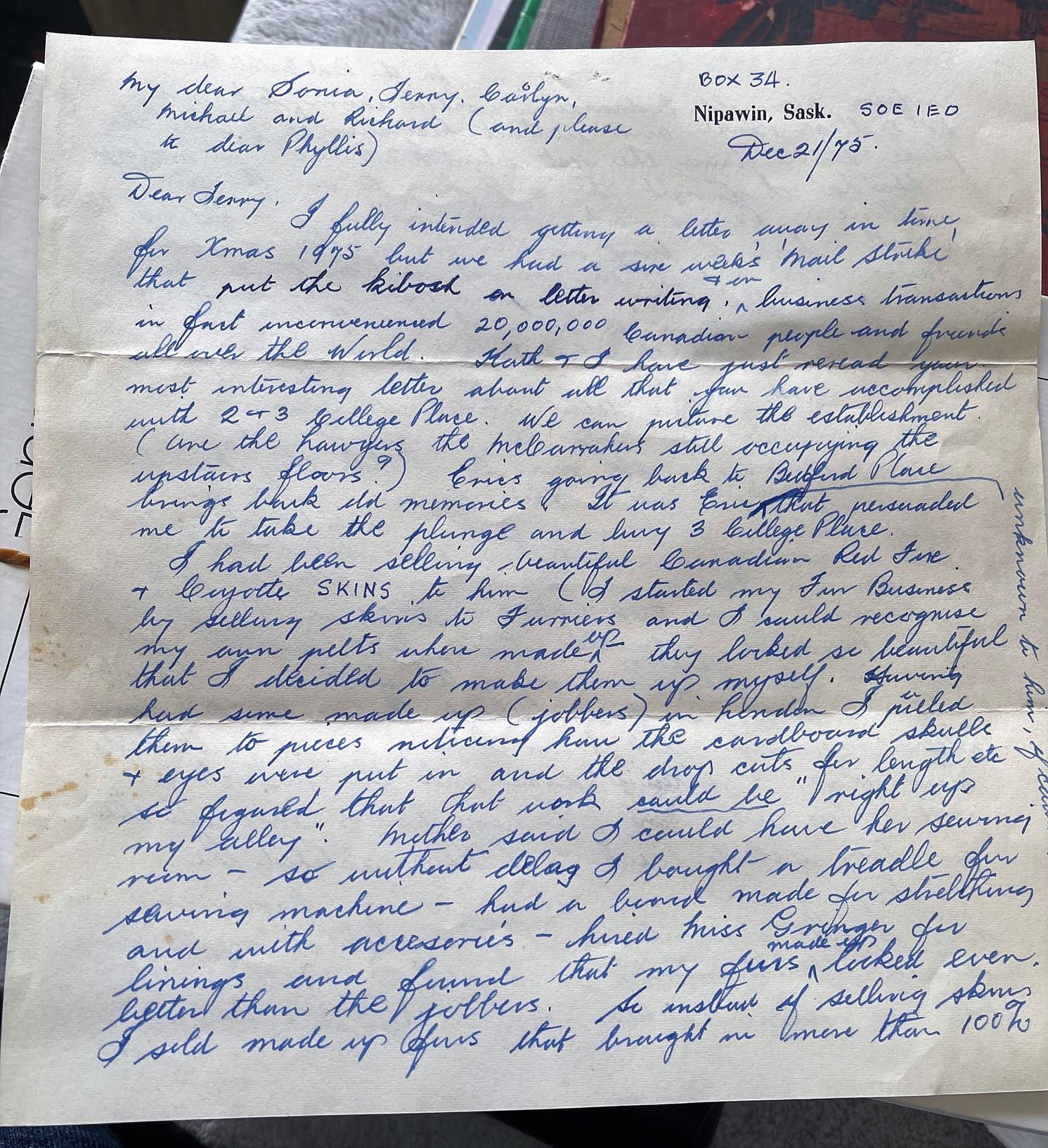
A letter written by Stan Hickley in 1975 providing many details of the Hickley Fur story from it’s origin with his initial travels to trap in Canada from Southampton.
Nipawin, Sask. BOX 34. 50E 1ED Dec 21/75.
My dear Sonia, Terry, Carlyn, Michael and Richard (and please to dear Phyllis)
Dear Terry,
I fully intended getting a letter away in time for Xmas 1975 but we had a six week’s ‘mail strike’ that put the kibosh on letter writing, 4 in business transactions in fact inconvenienced 20,000,000 Canadian people and friends all over the World. Kath & I have just reread your most interesting letter about all that you have accomplished with 2 & 3 College Place. We can picture the establishment. (Are the lawyers the McGarrahans still occupying the upstairs floors?) Erics going back to Bedford Place brings back old memories. It was Eric that persuaded me to take the plunge and buy 3 College Place.
Read more
I had been selling beautiful Canadian Red Fox & Coyote skins to him (I started my Fur Business by selling skins to Farmers and I could recognize my own pelts when made up they looked so beautiful that I decided to make them up myself. Having had some made up (jobbers) in Hendon I pulled them to pieces noticing how the cardboard skulls & eyes were put in and the drop cuts for length etc so figured that that work could be “right up my alley”. Mother said I could have her sewing room – so without delay I bought a treadle fur sewing machine – had a board made for stretching and with accessories – hired Miss Granger for linings and found that my furs “made up” looked even better than the jobbers. So instead of selling skins I sold made up furs that brought in more than 100% profit. An old Edwardian school chum, in the Real Estate Business took me to College Place and without hesitation I bought the place £500 down the rest about £2,000.00 on mortgage Ha! Ha! I taught the girls how to use the fur machine. Repair work, coats, rolled in – no trouble at all – had to buy another fur machine – worked day & night to keep the goods jobs out on time. You can guess the rest. I made a mink coat that brought in
But to return to Eric I had 7 Coyote skins dyed blue with 7 extra tails – made them up in Mother’s sewing room (split two from one skin) – just for fun I took them to Erics, Bedford Place then, and not knowing that I had made them up he bought the 14 fur pieces @ £4.10 each. He never knew that they had been made up by myself. This, however, gave me confidence. There were quite a number of incidents that cropped up unexpectedly but no real trouble !! However, Terry, in telling you all this the real start of my FUR TRADE started in 1913. The Pioneers submitted stories last summer so I sent in this one about my catch of Foxes in Feb 1913. I am writing a book about Ravine Bank (now called Nipawin) that I am hoping to get published next year. When I came into the district in 1911 there were only 8 homesteaders and all the country solid bush. I have watched the country grow and now, today, Nipawin has 5,000 inhabitants. The photo of me & my shack, built entirely by myself in 1912 was taken from a print taken from the lost negative from WAR I.
Nipawin, Sask. In Nov. 1969. I was invalided back to Canada in 1918 & after a year in Deer Lodge Hospital in Winnipeg bought a 1/4 section (160 acres) under the Soldier in 1920 Settlement Board, and after building a house & farming (Breaking the virgin soil, 100 acres with four horses and cropping wheat in 1921 – a bumper crop. I collapsed and landed back in hospital again and subsequently returned to England with 100% War Disability Pension. After convalescing started importing skins – furs from Saskatchewan. thus morphing into the Canadian Fur Co. Direct Importers and manufacturing Co. Do you remember the big electric sign across the front? Considering how well you have done, Terry, (Dad. Owen) with the Canadian Fur Co I thought you would be interested to know how the fur business got really started. There were a good many exciting experiences that of course will be narrated in the Book. It just seems impossible that I have survived and will be 82 in Feb 6/1976.
With love & Best Wishes to you all – Hope you have many more Good Years, especially during these tough times – Save, Terry, so that you can sit tight & weather the Depression for it will get good again in time!
from Kath & Stan
a Happy New Year 1976 to all.
Stanley G. Hickley
Do you know of Herbert’s son Ken Hickley. We don’t know if Herbert is still alive. I asked McCarrahans to find out – but no results. As I told Phyllis several years back all my letters to Herb. & Ken were returned from “Dead Letter Office” – this must be four years ago, at least.
We still write to Pauline Webb & Family Edgar’s daughter. Pauline Webb, West Front, Canada Common, West Wellow, Nr Romsey. Hants. Pauline never heard, definitely, what happened to her father, Edgar Hickley.
SGH (initials)
Love to Phyllis!
Fur Sewing Machines (Archive film)
Fur in Fashion (archive films) 1920’s-50’s